HiPP Organic German
 HiPP Organic Dutch
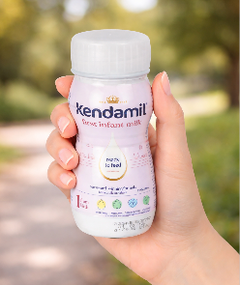
 Kendamil
 Holle Organic
 0+ Months
 6+ Months
 12+ Months
 24+ Months


 Ready to Feed
 Cow’s Milk
 Goat's Milk
 Hypoallergenic
 Specialty


Let customers speak for us
Frequently Asked Questions
Find answers to common questions below
What's the difference between HiPP Comfort and HiPP Anti-Reflux — which one do I need?
This is one of the most common points of confusion. AR is aimed at babies who spit up or vomit frequently, it uses a natural thickener (locust bean gum) so milk stays down. Comfort is aimed at babies with gas, bloating, or constipation, it uses partially hydrolyzed protein and reduced lactose to ease digestion. If your baby has both spit-up and tummy discomfort, many parents start with AR first and switch to Comfort if constipation or gas persists after a few days, ideally with pediatrician input.
Does HiPP Anti-Reflux formula cause constipation, and do I need a different bottle nipple for it?
A commonly asked practical question. Because AR is thickened, some babies do experience firmer stools, though not every baby reacts this way. Many parents also find they need a slightly larger/faster-flow nipple since the mixed formula is noticeably thicker than standard formula.
My baby is spitting up a lot — is that reflux, or is it a milk allergy that needs HA formula instead?
Parents frequently struggle to tell these apart before choosing a formula. Frequent spit-up alone usually points to reflux (AR), while symptoms like rashes, blood in stool, or severe distress alongside feeding issues point toward a possible cow's milk protein allergy, which typically calls for a hypoallergenic (HA) formula instead. A pediatrician's input is the recommended way to tell them apart before switching.
How long can my baby stay on a specialty formula like HA, AR, or Comfort — do they eventually go back to regular formula?
Since these aren't tied to the usual age/stage system the way regular formula is, parents often aren't sure when (or if) to transition off them. Generally, babies stay on a specialty formula for as long as the symptom it addresses persists (often several months to a year), and a doctor typically guides the switch back to standard formula once the issue resolves.
Is Holle A2 formula just goat milk, or something different — and is it hypoallergenic?
A2 formula is a common source of confusion since people assume it's the same as goat milk. It's actually cow's milk formula made from cows that naturally produce only the A2 beta-casein protein rather than the more common A1/A2 mix — it's not goat milk, and it's not a medical hypoallergenic formula. It's generally chosen by parents looking for something gentler on digestion than standard cow's milk formula, not as an allergy treatment.


Join to get special offers, free giveaways,
and awesome baby deals!
Be the first know about new offers and deals.
 Your information will be kept Private